


Texturants
Explore our ingredients that can be added to enhance texture without changing your flavours. Including a large variety of clean label options for consumer needs.

Starches
Starch is the major component of most agricultural products with few exceptions. It is the primary energy source for humans. But what can this carbohydrate do? How do we maximise its potential as an added value ingredient? With potentially hundreds of starch derivatives out there, how do we shorten R&D time and find a product that fits you?


How to choose?
Please see below for a general guide on how to select the right product. Then reach out for more information such as recipes, product info...etc. We are happy to guide you through our products in person, chat or over the phone.
NATIVE If your product will be consumed soon after being produced or do not need functionality.
MODIFIED For more complex processing requiring heat, shear, fermentation...etc, we would recommend modified starches. There are options for chemically and physically modified to fulfill various requirements.
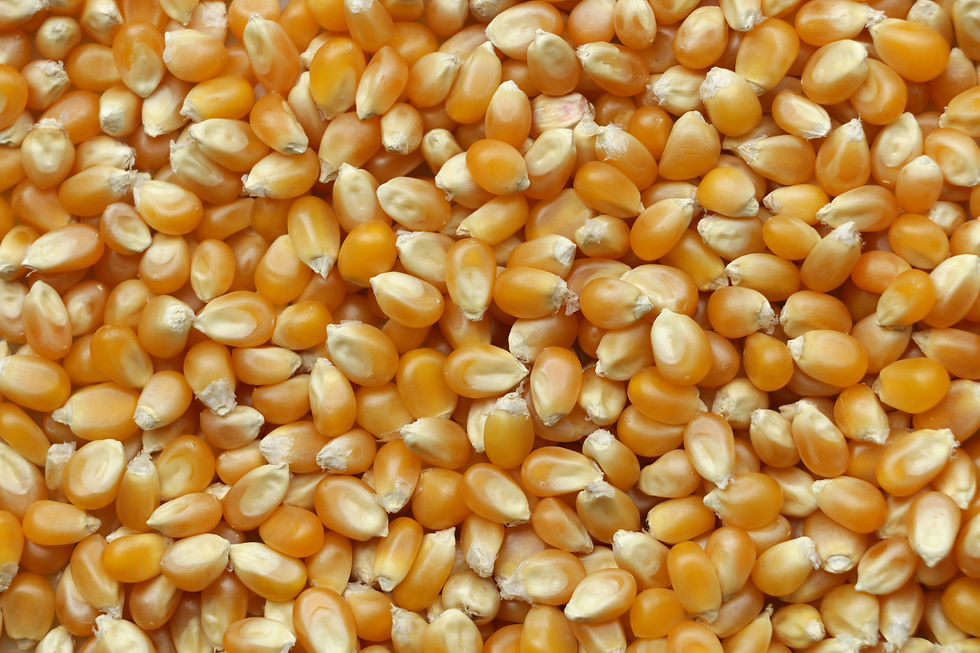
CORN Easily grown and widely available from every continent. Slightly higher amylose content produces opaque gels and retrogradates faster compare to some other starches. May contain more lipids and proteins rendering a slight "corn" smell.
WAXY CORN contains almost 100% branched glucose structure (amylopectin), producing unique characteristics such as higher viscosity, transparency and glossiness. Excellent for thickening and water retention during varied storage conditions.
TAPIOCA is a tasteless, transparent starch with good elasticity when used in semi-solid and solid foods. The relative high viscosity makes tapioca starches a go to choice for thickening. Waxy tapioca are becoming more commercially viable and is an excellent choice for stability and texture rendering.
POTATO starches have the largest starch granules and contains natural phosphates producing characteristics performing well in freeze thaw cycles, excellent transparency and strong water binding ability.
WHEAT With similar amylose content to corn starch (approx. 25%), the starch retrogradates easily and forms soft but often brittle gels. Most applications lie in bakery with few exceptions. It's important to note, wheat starch is not FREE from wheat gluten.
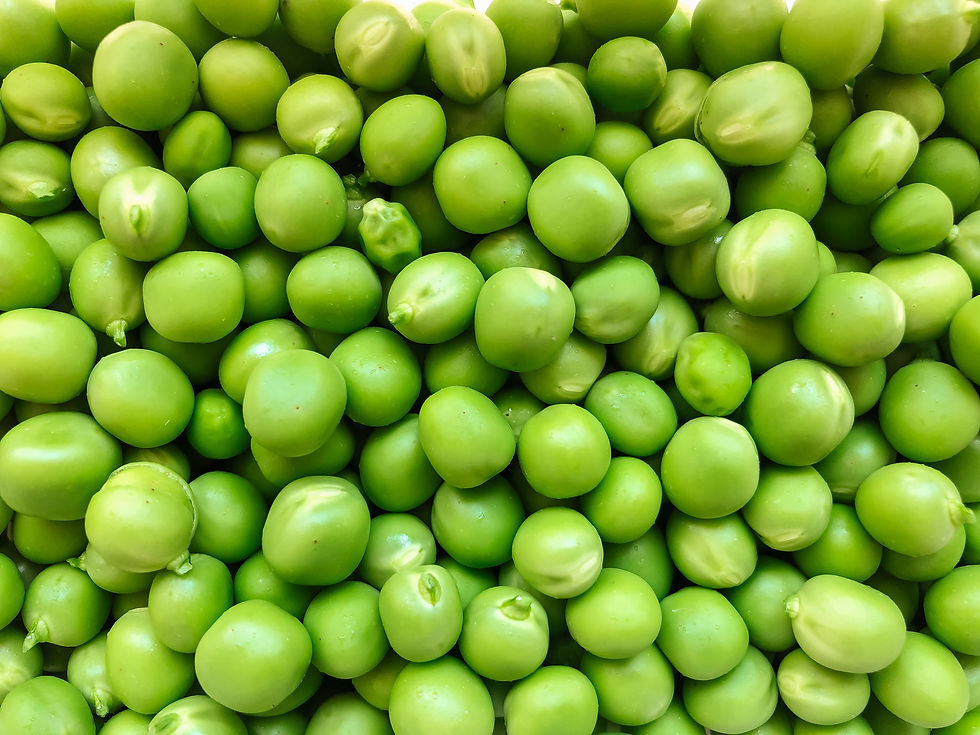
LEGUMES Common starches from legumes include pea and mung bean. Typically contain higher amount of amylose forming firm gels and are widely used in plant based foods and snacks.
RICE With limited supply, pricing is usually a major concern, however both regular and waxy rice starches have unique characteristics such as smooth, creamy moutfeel and the small particle size is suitable for certain industries such as cosmetics. Rice is hypoallergenic, suitable for infant formula or baby foods.
CROSSLINKED By linking starch chains with a phosphate, the starch has been "reinforced", producing tolerance to heat, shear and pH...etc.
STABILISED starches have functional introduced as a substitution within the starch molecule. Common functional groups include acetates, adipates and hydroxypropylates. The effects are wide ranging, including reduced syneresis, transparency, texture smoothness, glossiness which extends shelf life without losing original texture profile.
DEGRADED Some application requires very specific texture profile, such as crunch or gummy like textures. Degraded starch can be used in these circumstances and often in higher solid content to achieve the desired outcome.
PHYSICAL Instead of using chemicals, physically modified starch employ heat, pressure, annealing or a combination to achieve similar results to chemically modified counterparts. These can include cold water soluble and agglomerated, and are often ideal options when putting together a recipe for Clean Label products.
OTHER type of modification include OSA, resistant starches that are functionally specific such as for encapsulation, emulsification or targeted digestibility.
CROSSLINK + STABILISED Provide benefits of both of the modification types. However, the characteristics differ greatly depending on the varying degrees of crosslinking and stabilisation.
DEGRADED + STABILISED Mostly used in systems where low viscosity is required during handling. Such as soups, sauces, dressings or batter systems.
PHYSICIAL + STABILISED Starches naturally do not dissolve in water and can only perform its functions when "cooked". But when the food preparation step cannot include heating, the starches can undergo pregeletinisation process to make it achieve cold water soluble state.
OTHER combinations are varied, please reach out to see if a tailored made solution suits your needs.
Rice
Rice is grown on every inhabited continent, making this food source readily available and essential. Earliest evidence shown cultivated rice over 10,000 years ago and we continue this tradition today with updated technology and new applications. See below for our range of 100% pure rice flour options.


